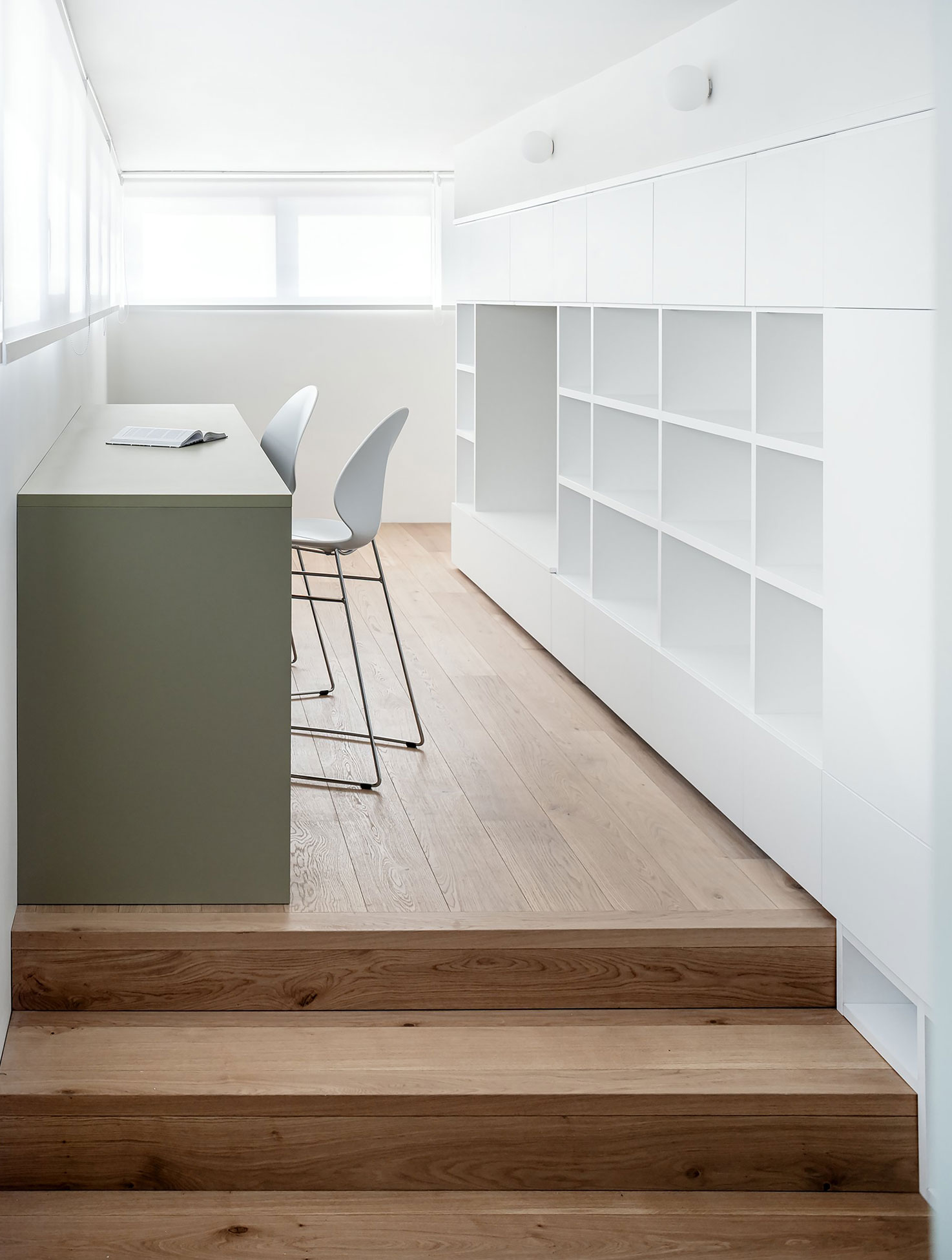
Perched above Lake Maggiore, this 82-square-meter loft transforms a corridor-like plan into an inhabitable promenade, where circulation becomes a spatial experience rather than a purely functional element. The project involves the reconfiguration of a private residential loft located on the top floor of the tallest condominium building in Angera, Italy, occupying a privileged position within the urban and landscape context of Lake Maggiore.
Developed through a subdivision process, the unit benefits from three-sided exposure, offering an approximately 180-degree panoramic opening toward the lake and the Rocca di Angera. Despite these exceptional conditions, the original interior presented significant constraints: a strongly longitudinal layout, comparable to a corridor, and the presence of high ribbon windows that limited a direct visual relationship with the surrounding landscape.
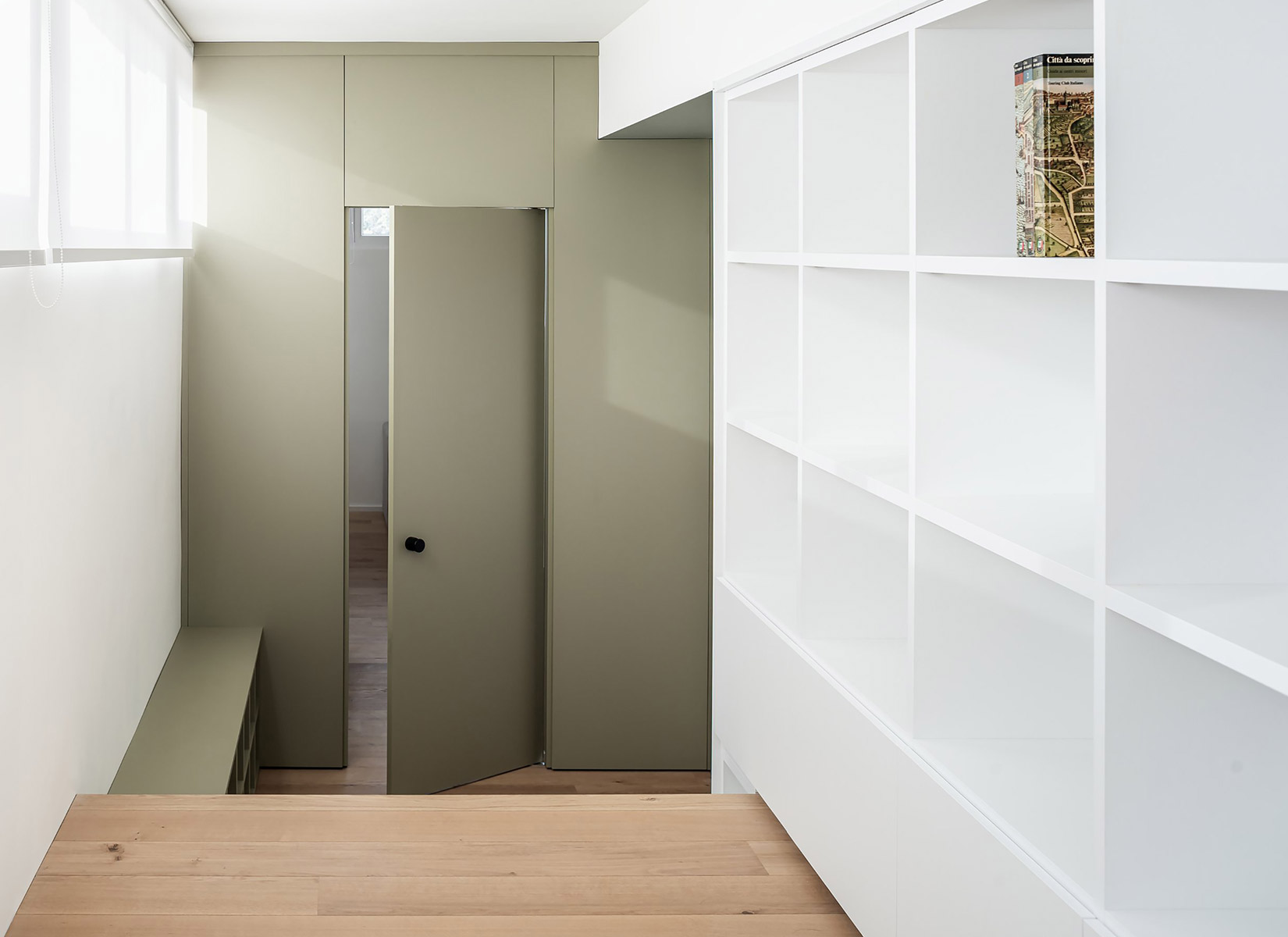
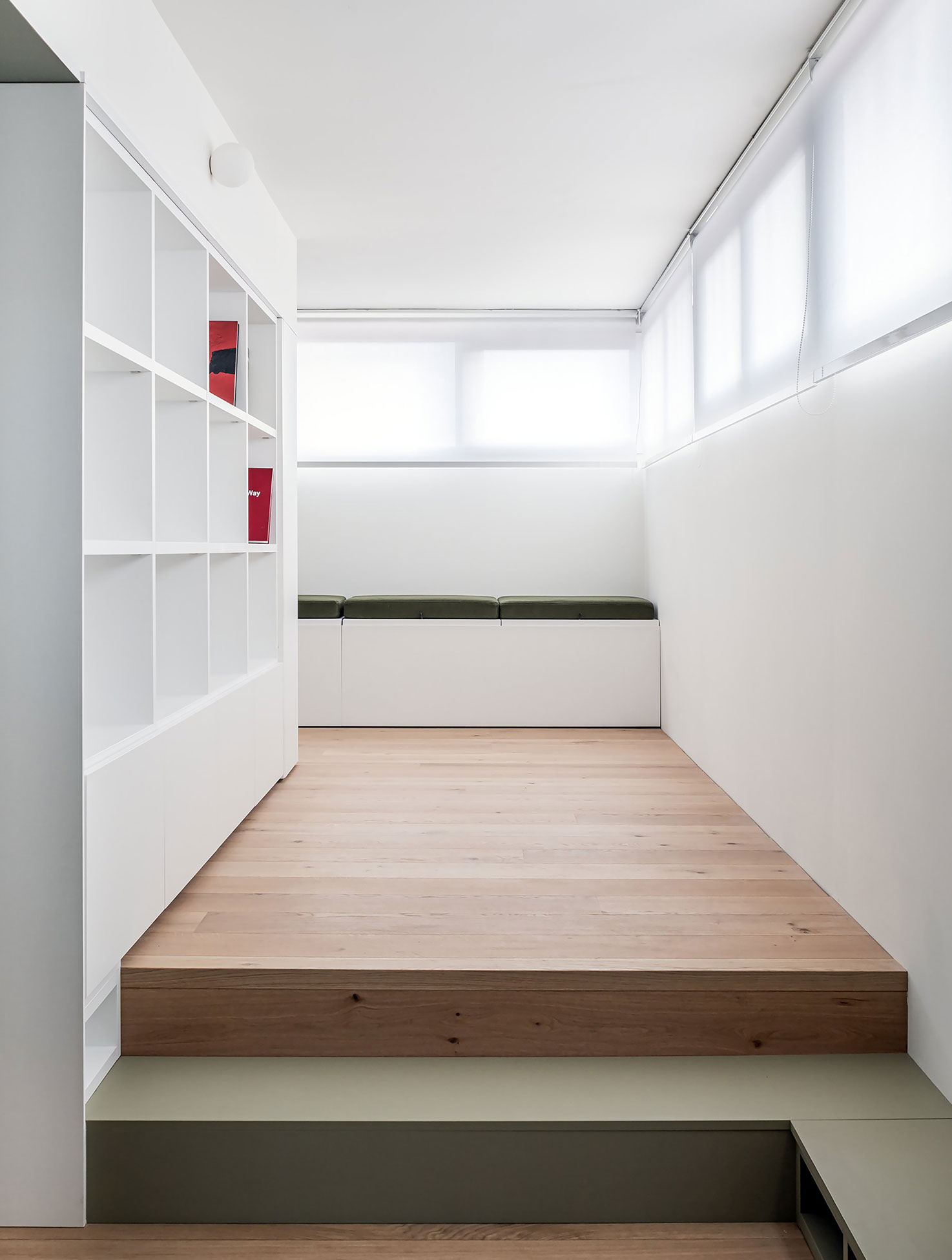
The intervention turns these constraints into the project’s generative principle, reinterpreting the corridor not as residual circulation but as an inhabitable spatial sequence. The layout is articulated through a calibrated system of level changes—raised platforms, steps, and inhabitable volumes set at different heights—that redefine the spatial order and introduce a narrative reading of the domestic environment. Rather than relying on purely functional zoning, the project constructs a fluid and rhythmic path that progressively guides both movement and gaze toward the exterior panorama.
PHOTOS BY Andrea Ceriani
PHOTOS BY Andrea Ceriani
PHOTOS BY Andrea Ceriani
PHOTOS BY Andrea Ceriani
PHOTOS BY Andrea Ceriani
PHOTOS BY Andrea Ceriani
PHOTOS BY Andrea Ceriani
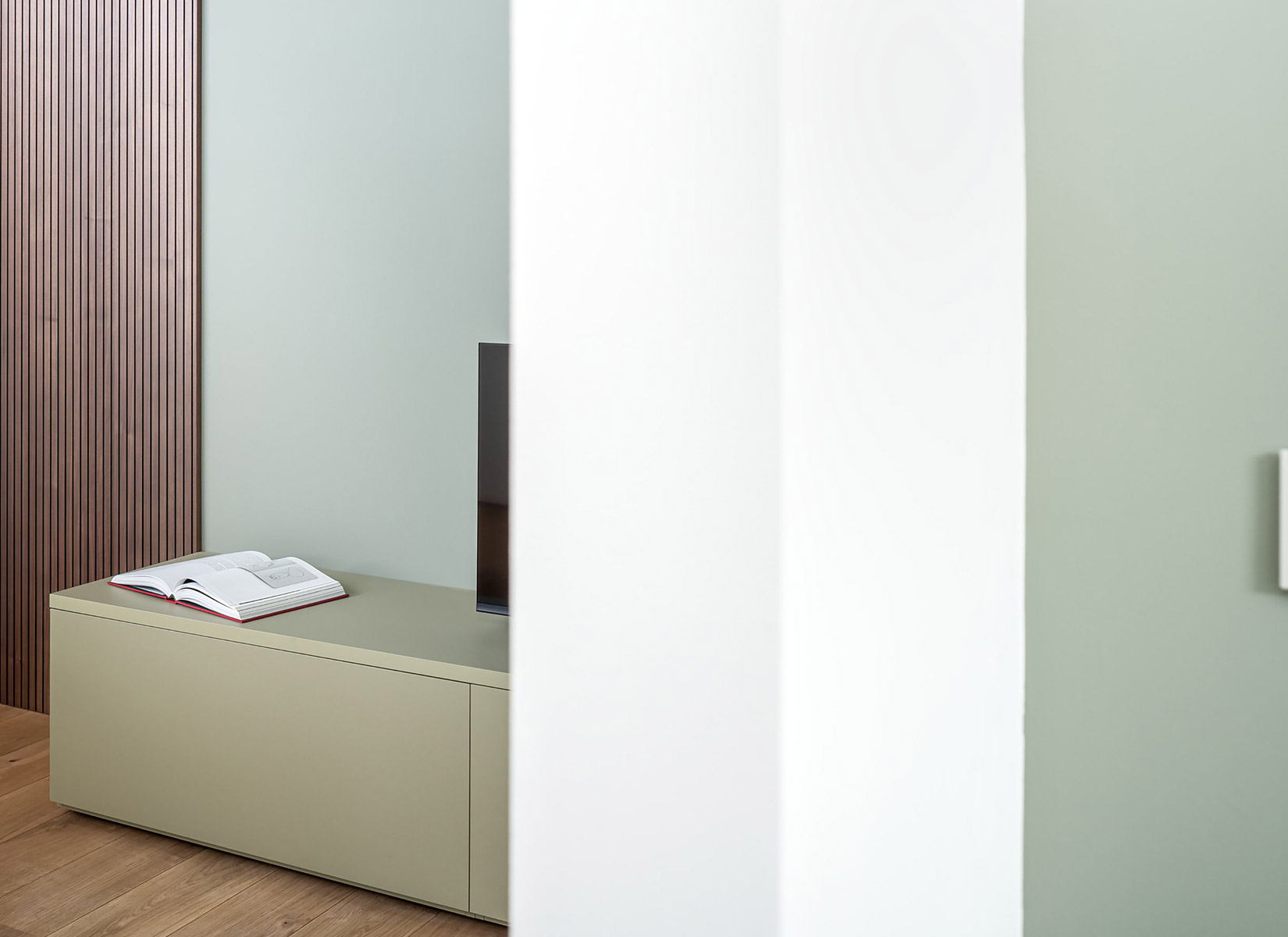
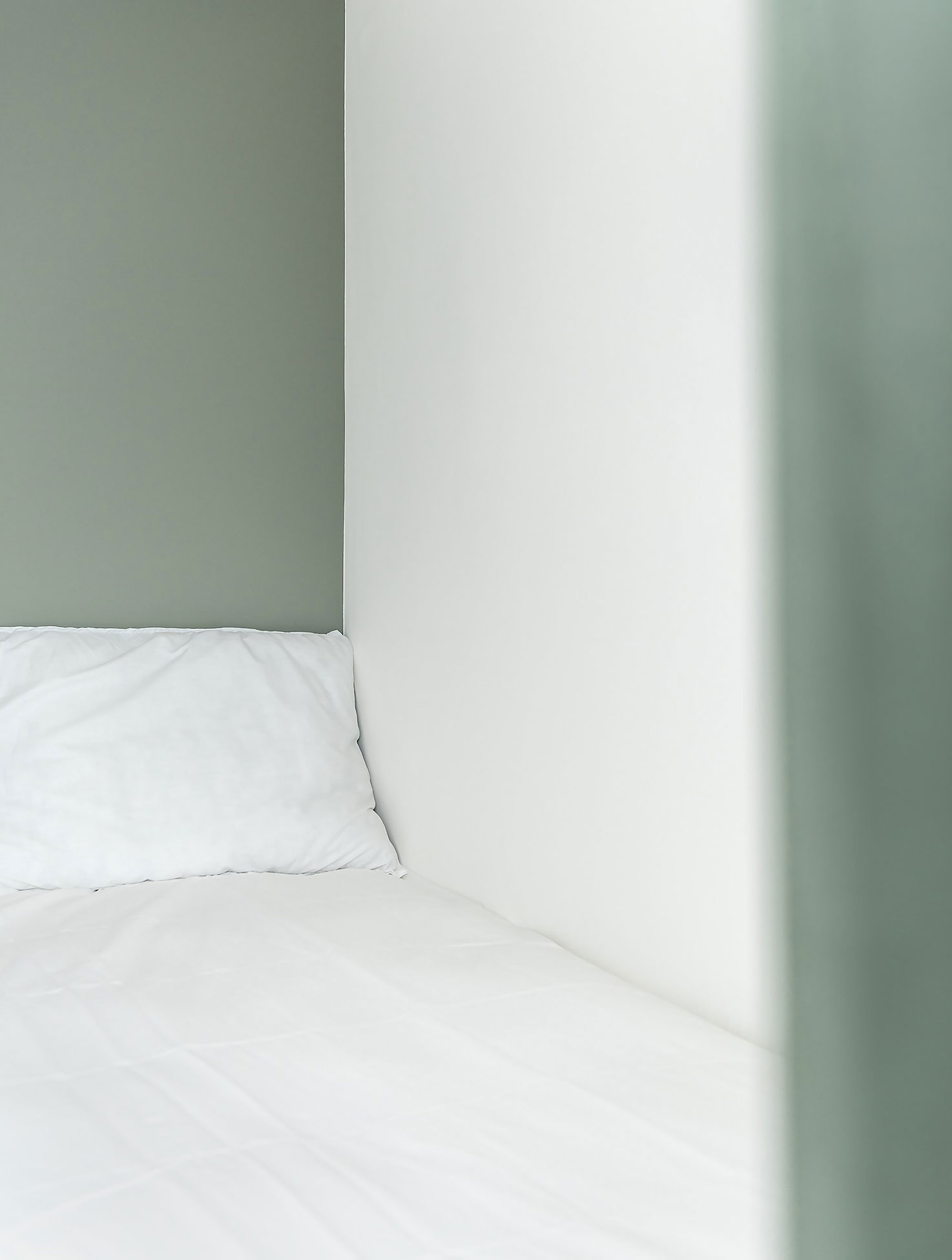
This approach aligns with a tradition of three-dimensional, experiential planning—from Adolf Loos’s Raumplan to Le Corbusier’s promenade architecturale—in which space is conceived as something to be traversed as much as understood in plan. Entry occurs directly into a raised living area conceived as a linear and continuous space that acts as the distributive backbone of the entire loft. This environment connects the kitchen and service areas on one side with a more intimate suite on the other. The suite integrates the primary sleeping area, with a raised bed, and a more secluded living zone, establishing a gradual transition of privacy within the compact footprint.
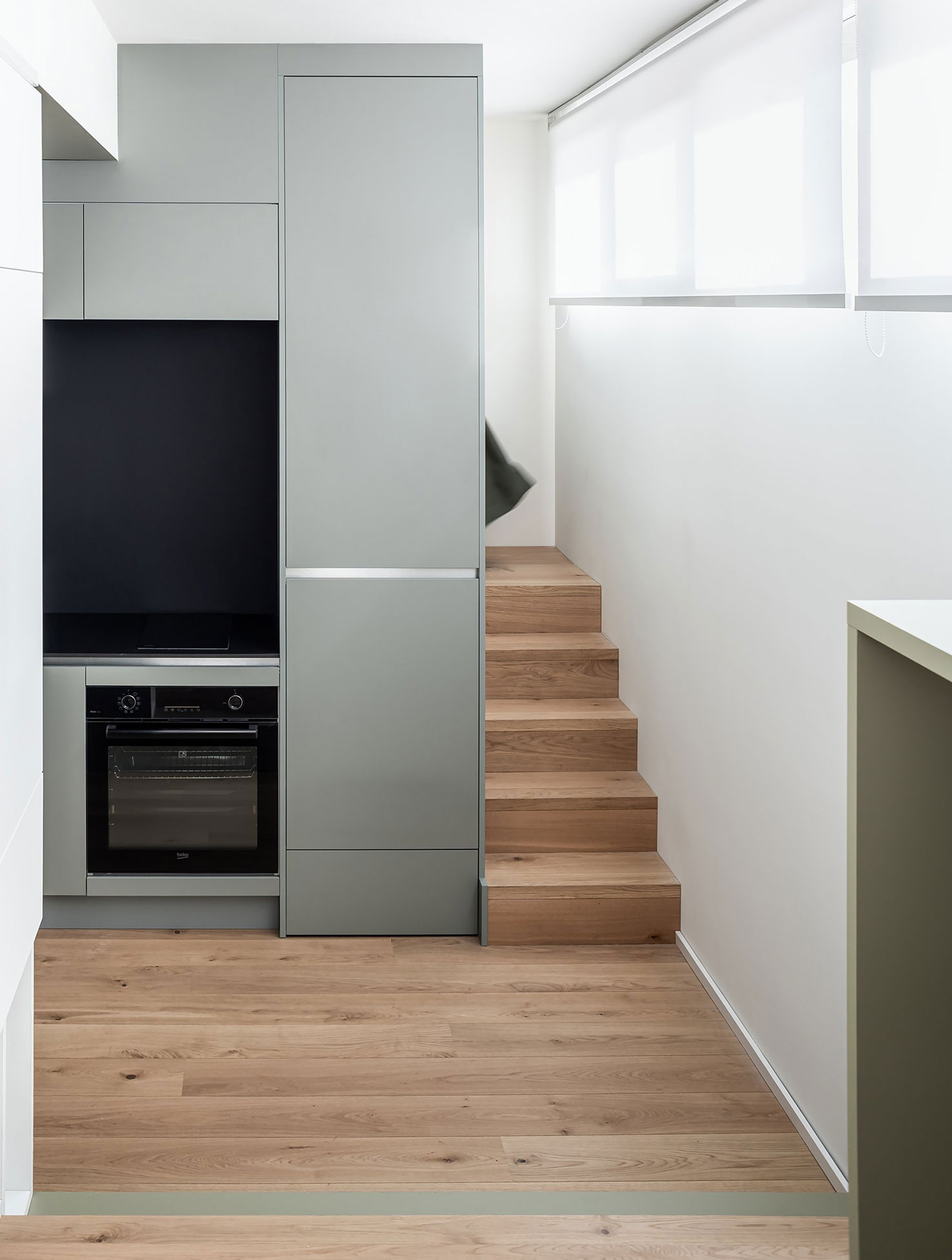
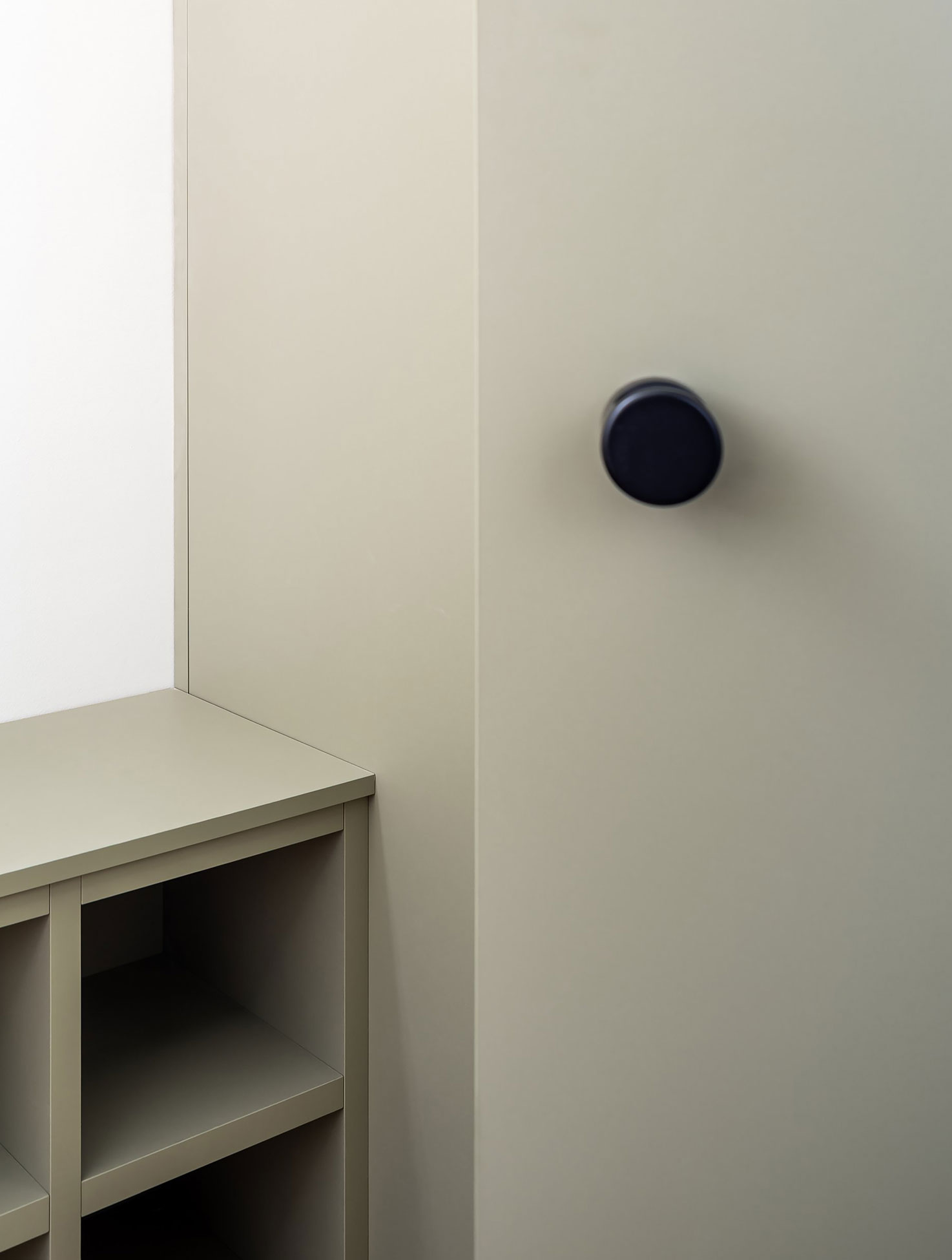
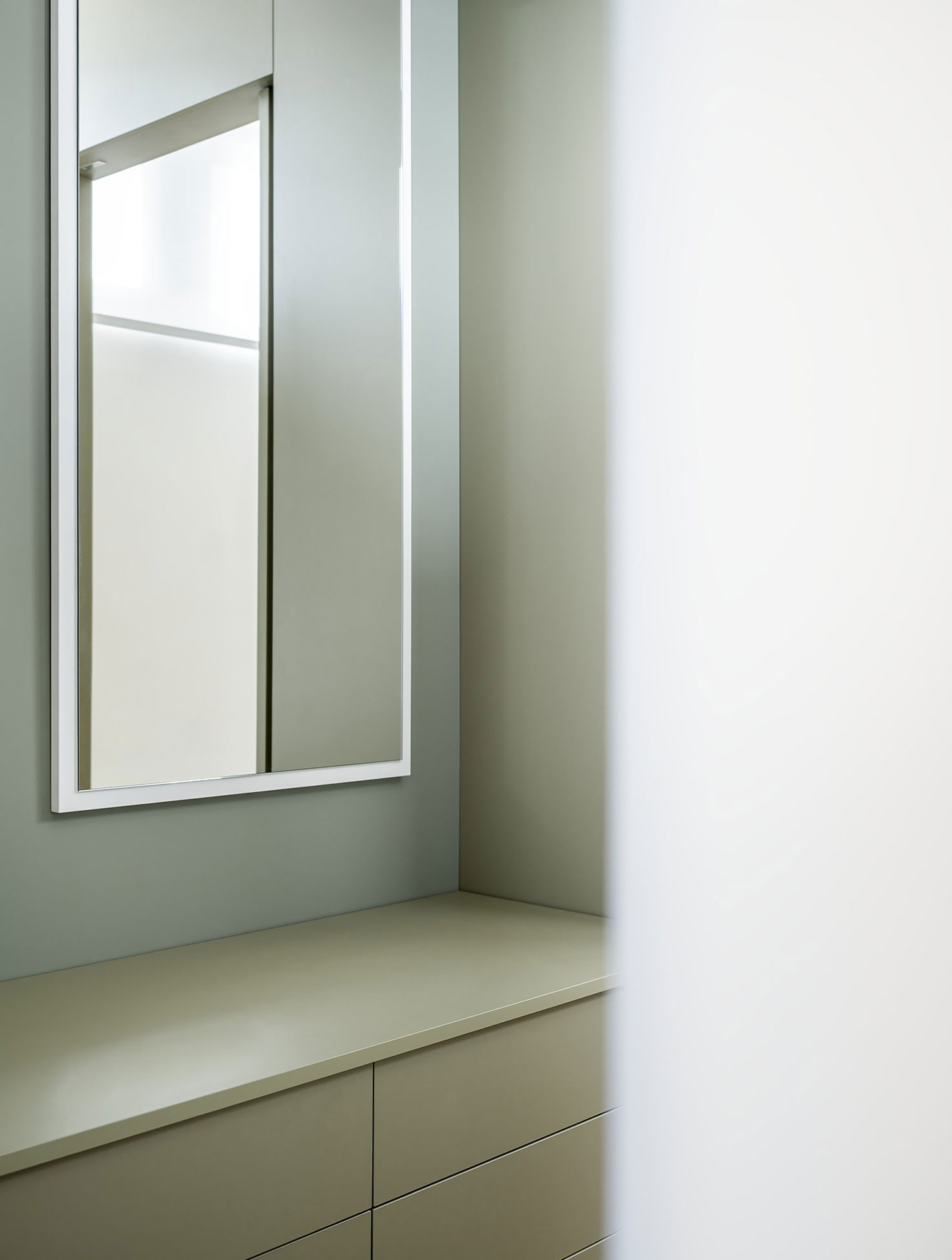
The kitchen is conceived as an architectural screen: a compact and precisely proportioned element that organizes the main space while concealing a flexible room behind it, capable of accommodating different uses over time—including an additional sleeping area—without compromising visual and spatial continuity. Throughout the project, careful attention to rhythm, thresholds, and the relationship between body, space, and natural light shapes a calibrated spatial sequence in which level changes, openings, and voids produce a dynamic domestic experience. Essential forms and a restrained architectural language define a deliberately neutral interior, allowing the landscape to remain the main protagonist. In the completed loft, the former corridor becomes an inhabited spine—an interior promenade that organizes daily life while reinforcing the dialogue between the built space, light, and the lake panorama.
Project information
- Architect:Marco Germi – Studio XYZ
- Location:Italy,
- Project Year:2025
- Photographer:Andrea Ceriani
- Categories:Loft,Residential